
Basic Information - Vietnam
Geography & Landscape
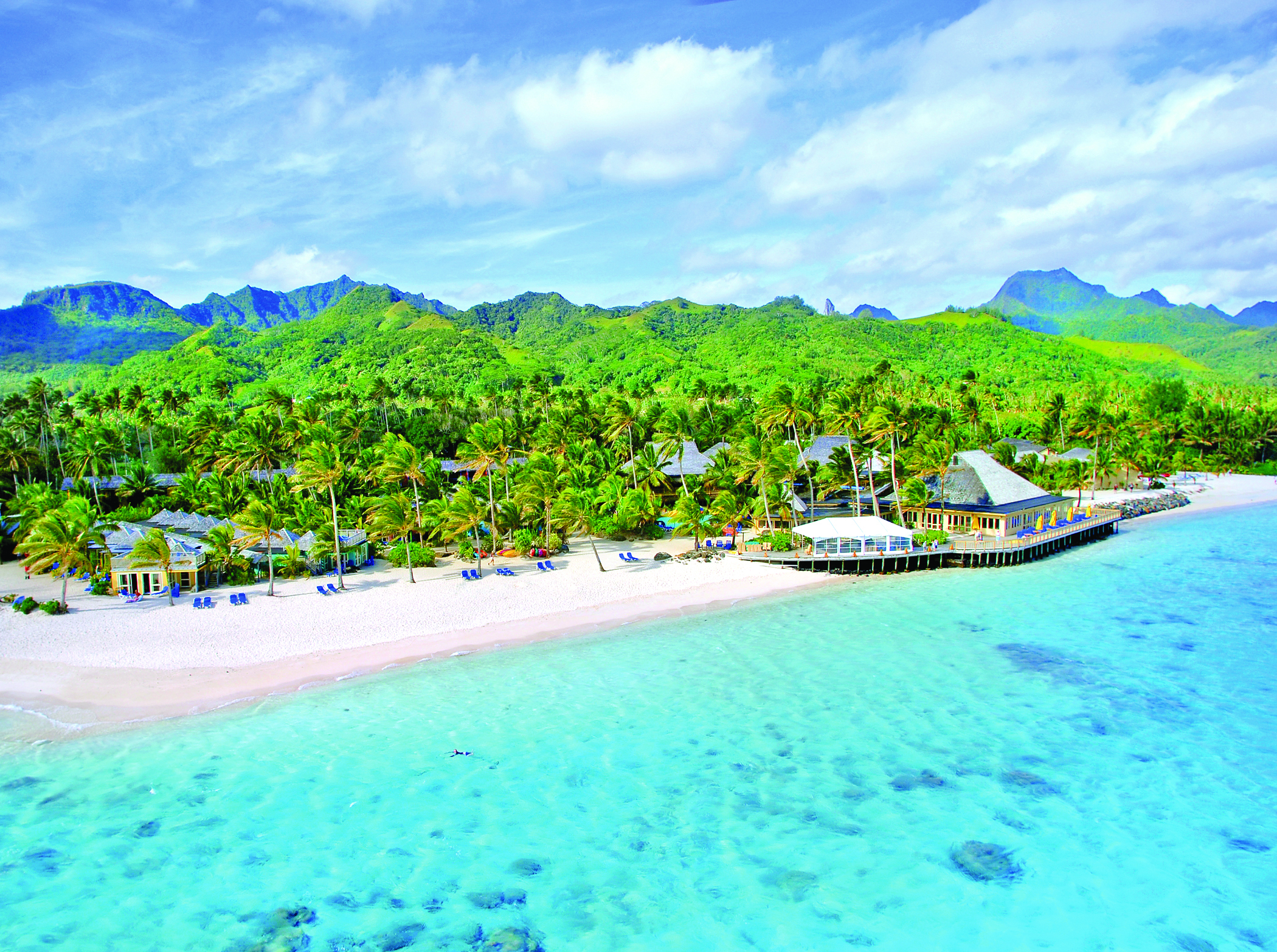
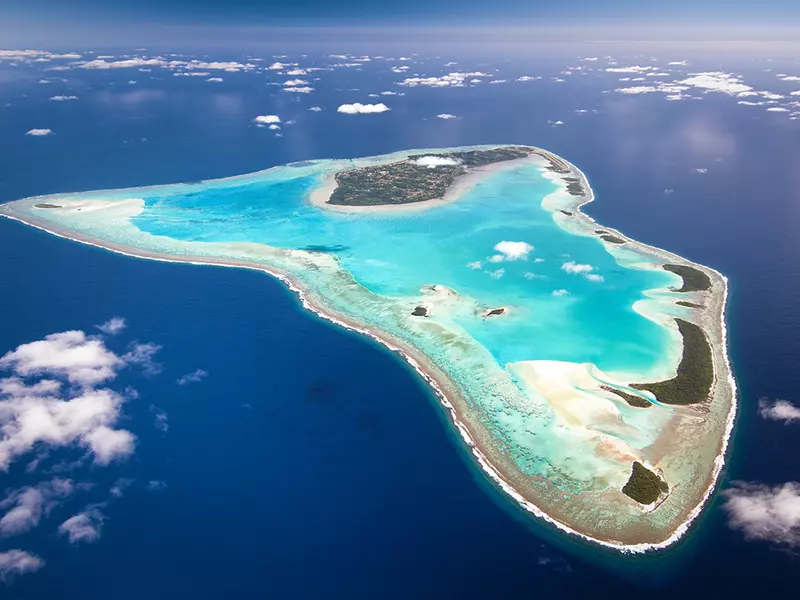
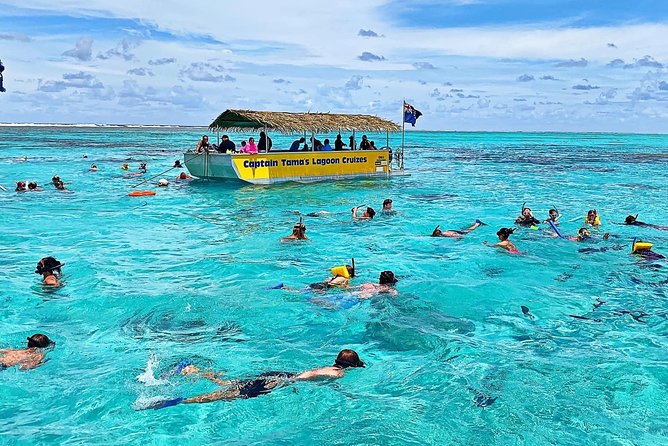
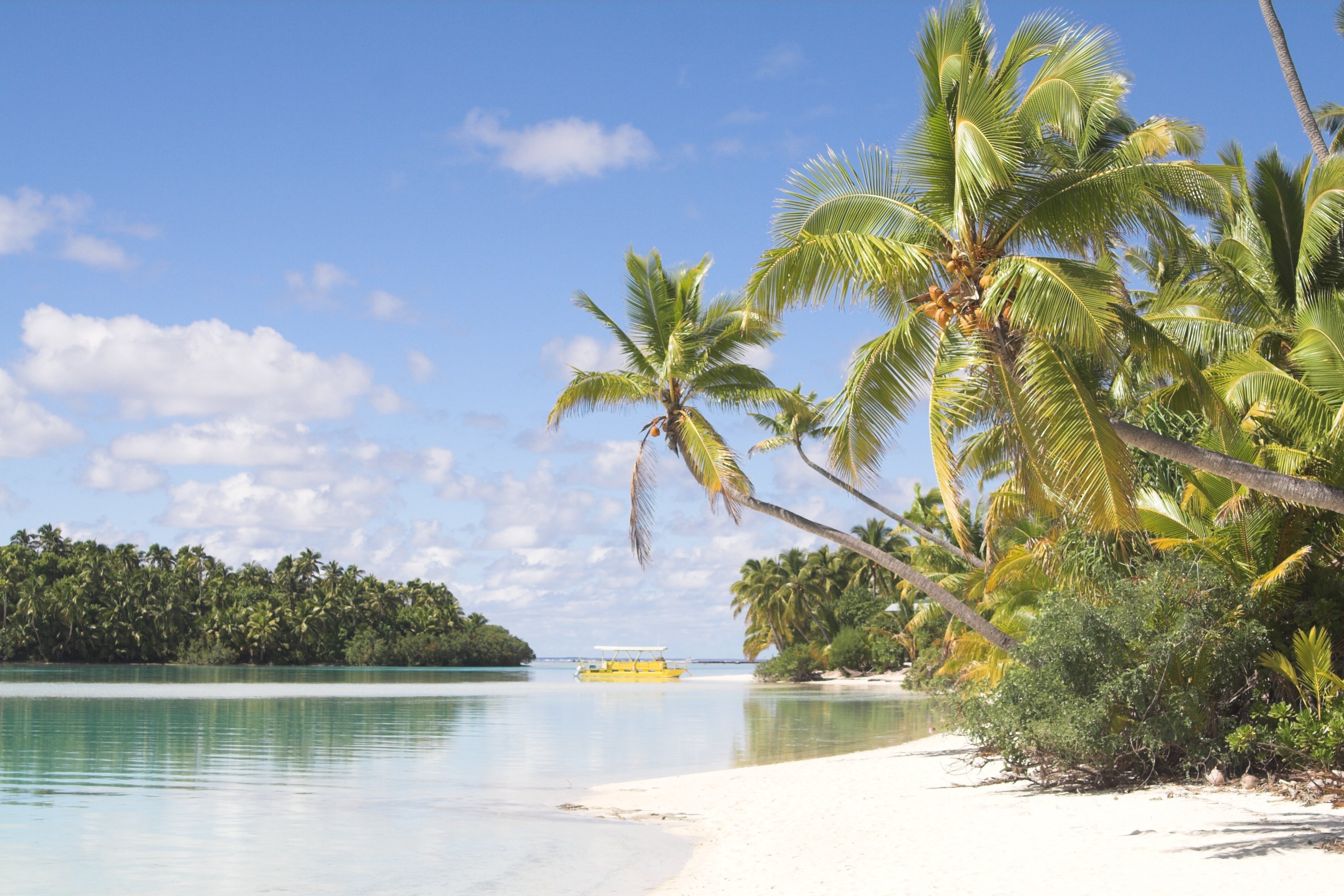
The Cook Islands' geography is a scattered necklace of coral crowns and volcanic stubs, where Aitutaki's turquoise atoll cradles 12 motus of blinding sand, Rarotonga's interior pineapple-shaped peaks hide taro swamps, and Atiu's makatea cliffs guard chasm sinkholes. This Polynesian constellation floats in cyclone-vulnerable blues, weaving reef passes with ancient umu ovens amid trade-wind whispers.
Climate
The Cook Islands' tropical climate basks in year-round warmth with dry trades cooling winters and wet cyclones greening summers, ideal for lagoon dips year-round.
(22–30°C)
(May–Oct)
(Nov–Apr)
Tourism Highlights
Monuments
- Cook Islands Christian Church - Avarua's coral cathedral with stained glass
- National Museum - Rarotonga's colonial library of adze tools and tapa
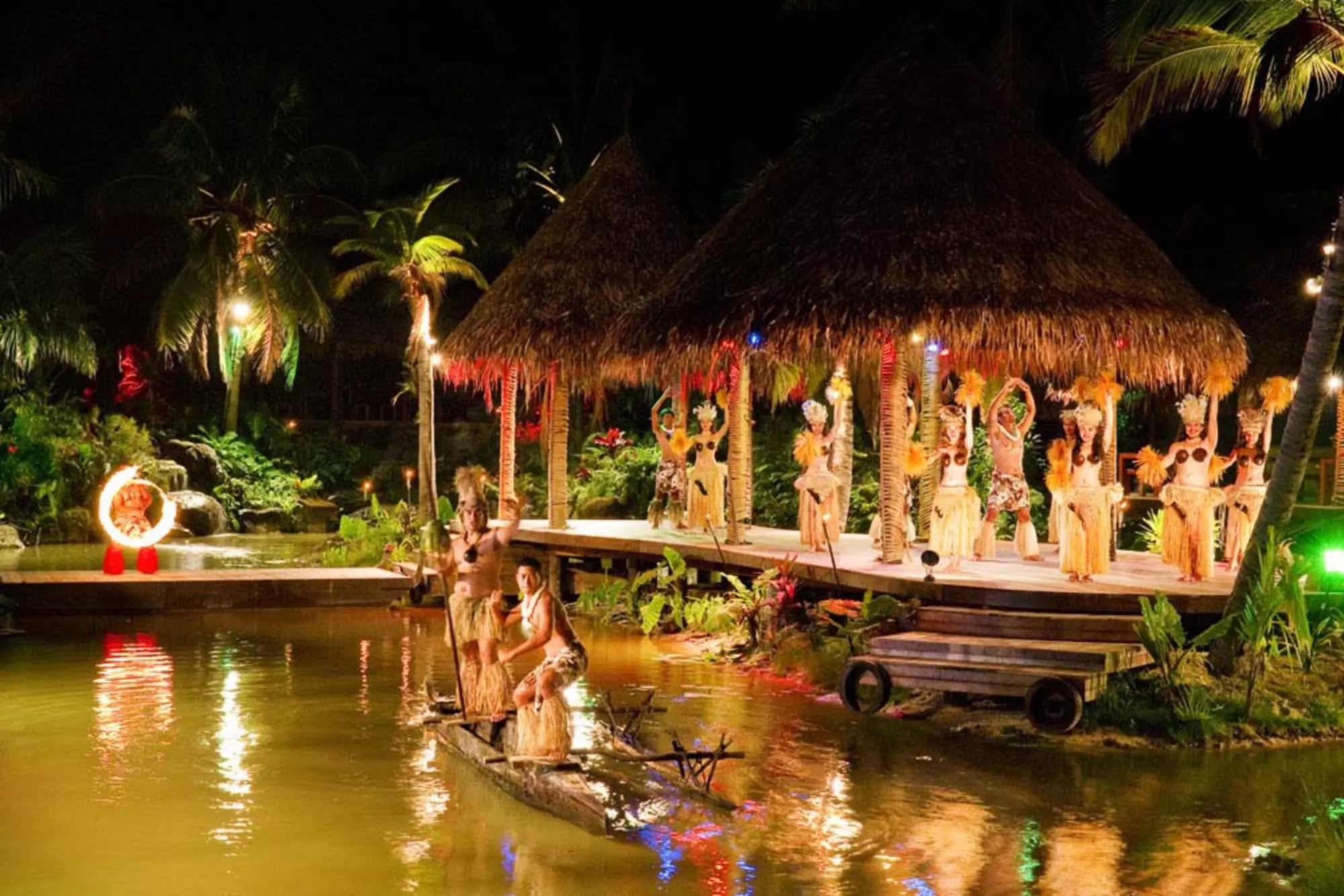
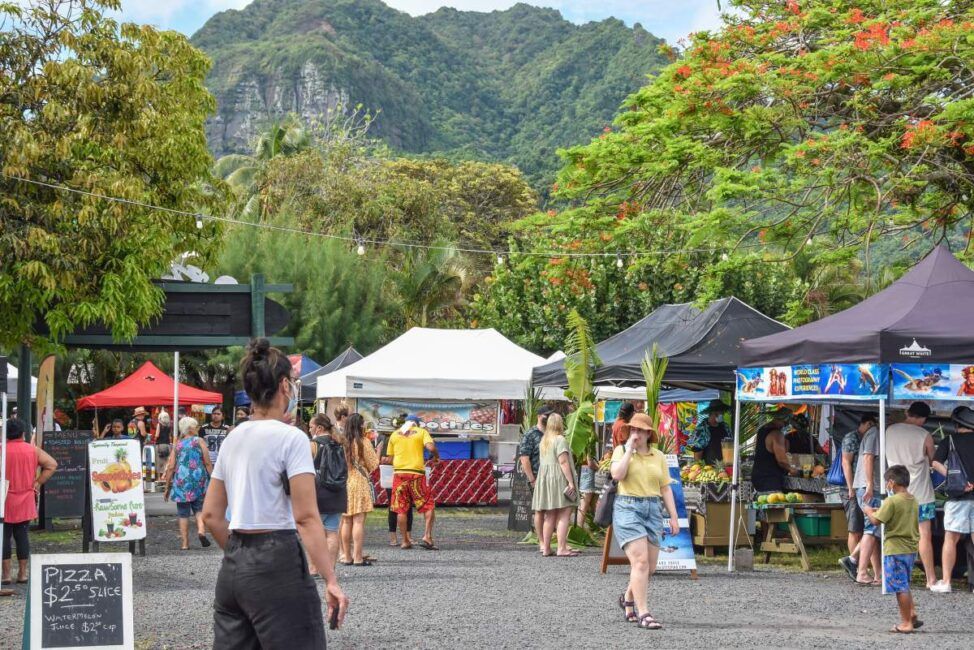
- Punanga Nui : Weekly Avarua market pavilion for cultural demos
Cultural Sites
National Parks & Game Reserves
Adventures & Activities
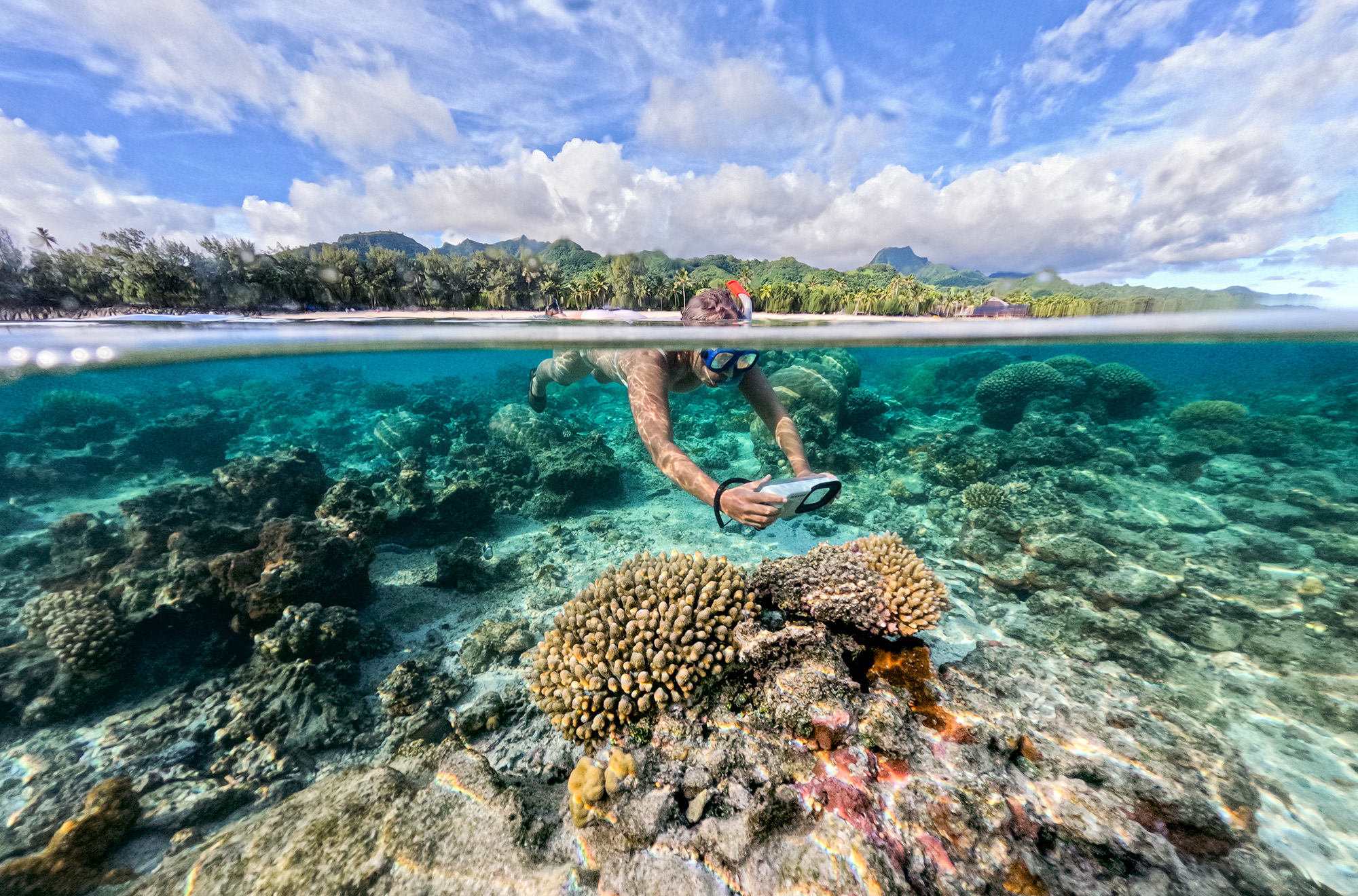
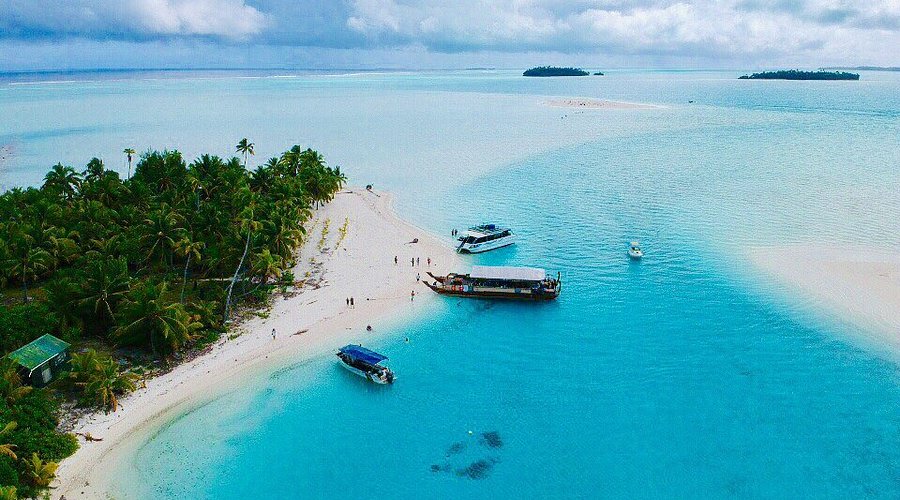
- Snorkeling Aitutaki's turquoise one-mile reef
- Scootering Rarotonga's cross-island treks
- Swimming Anatakitaki Cave pools on Atiu
- Traditional vaka outrigger sails
- Scuba with eagle rays at Muri Beach
- Kayaking Mangaia pineapple caves
Local Culture & Lifestyle
Festivals & Events
Local Food & Cuisine
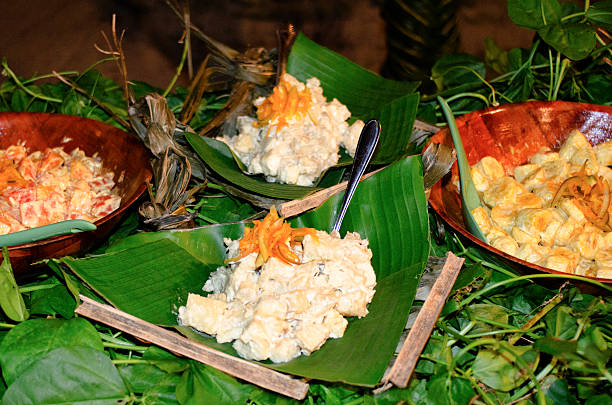
Rukau:Taro leaves in coconut milk
Poke: Tuna sashimi with soy seaweed
Umukai: Earth-oven pork and breadfruit
Taro poi:Fermented paste with fruit
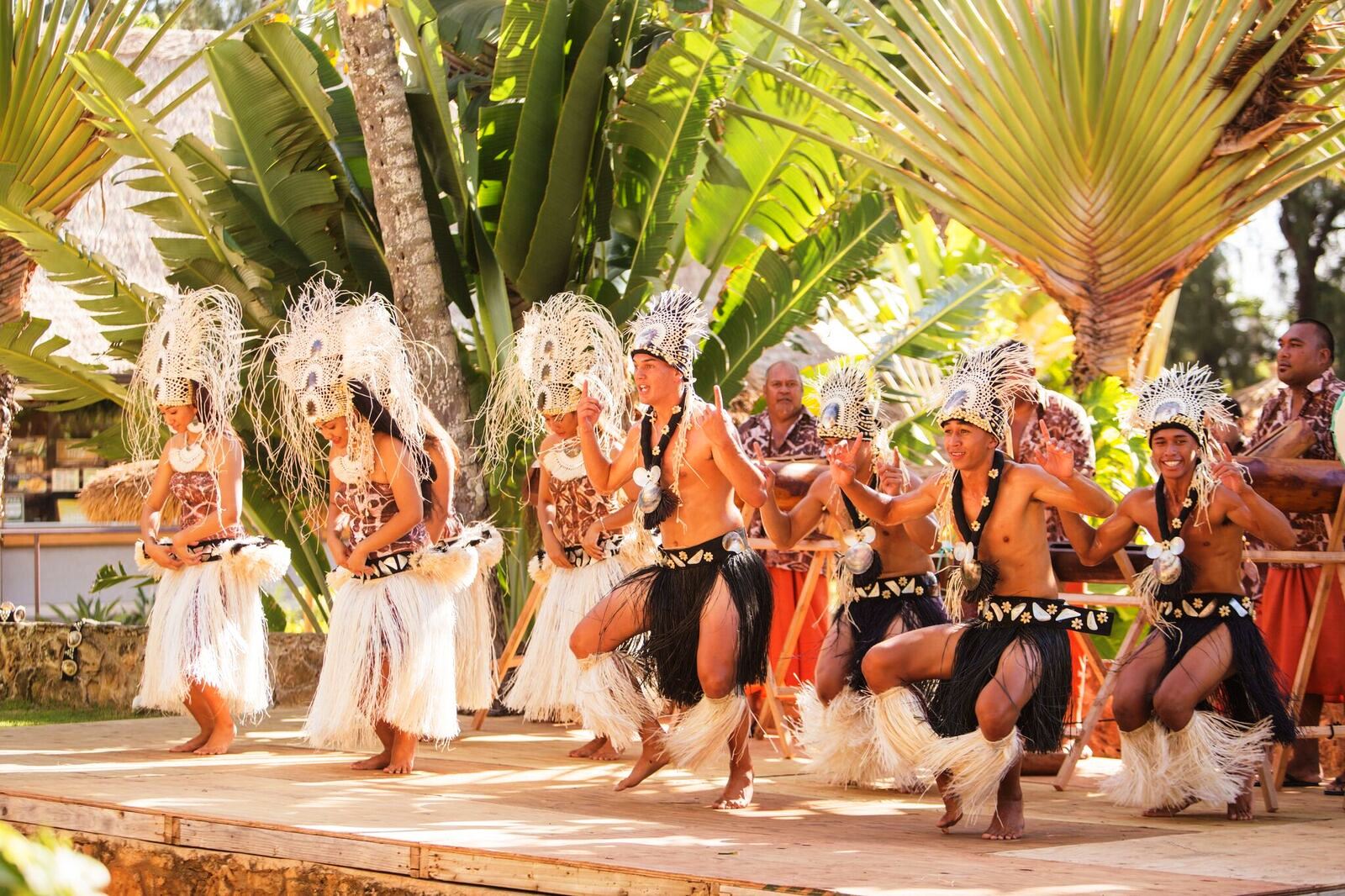
Art & Music
- Tivaevae applique - Flower-stitched bedspreads
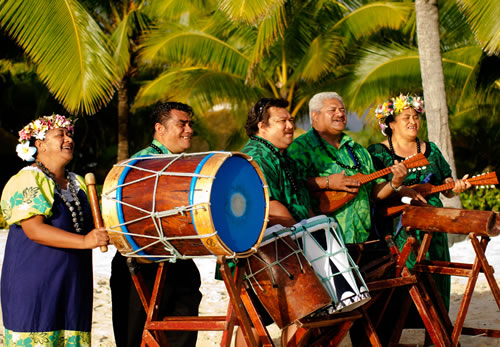
- Ukelele strums - South Seas island tunes
- Pate slit drums - Log beats for orero chants
- Carved tiki - Ancestor figures in coral
Local Markets
Travel Essentials
- Visa:Visa-free (31 days) for most; extendable.
- Transport:Air Rarotonga flights, inter-island ferries, scooter rentals.
- Accommodation:Beach bungalows, Atiu homestays, Aitutaki overwater.
- Budget:100–200 (budget), $200–400 (mid), $500+ (luxury).
- Safety:Safety: Very safe; reef currents—snorkel guided.
Fun Facts & Highlights
- Trivia:Self-governing NZ association, most islands uninhabited.
- Hidden Gems: Palmerston atoll isolation, Mitiaro's rare taro swamps, Manihiki black pearls.
- Movies:Mutiny on the Bounty (1935 inspo), Cast Away (tangent).
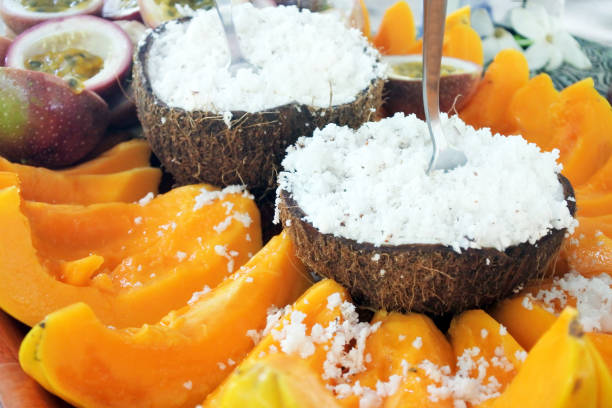
- Insta Spots:Aitutaki lagoon blues, Rarotonga pineapples, One Foot sands.
Quick Guide
A handy guide for travelers highlighting the top attractions, local cuisine, accommodation, souvenirs, and essential phrases to help you plan your trip efficiently and immerse yourself in Cook Islands’ lagoon legacies and pareo paces.
Top Hotels
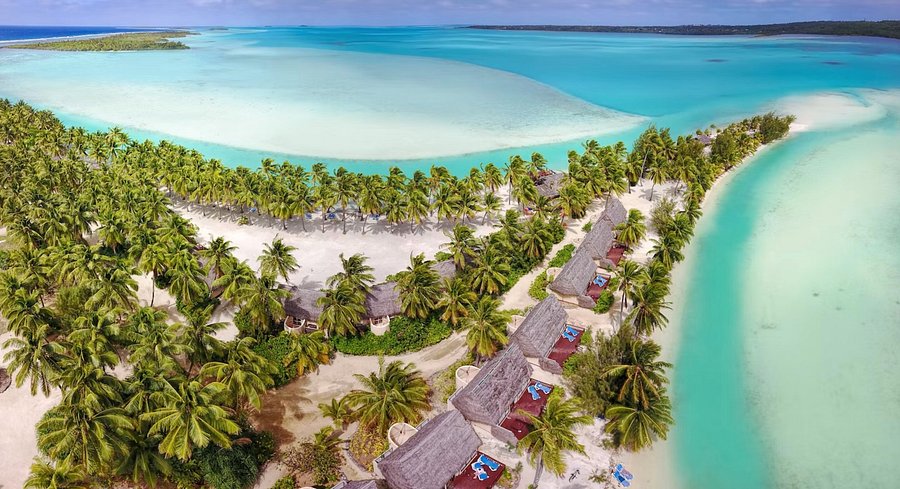
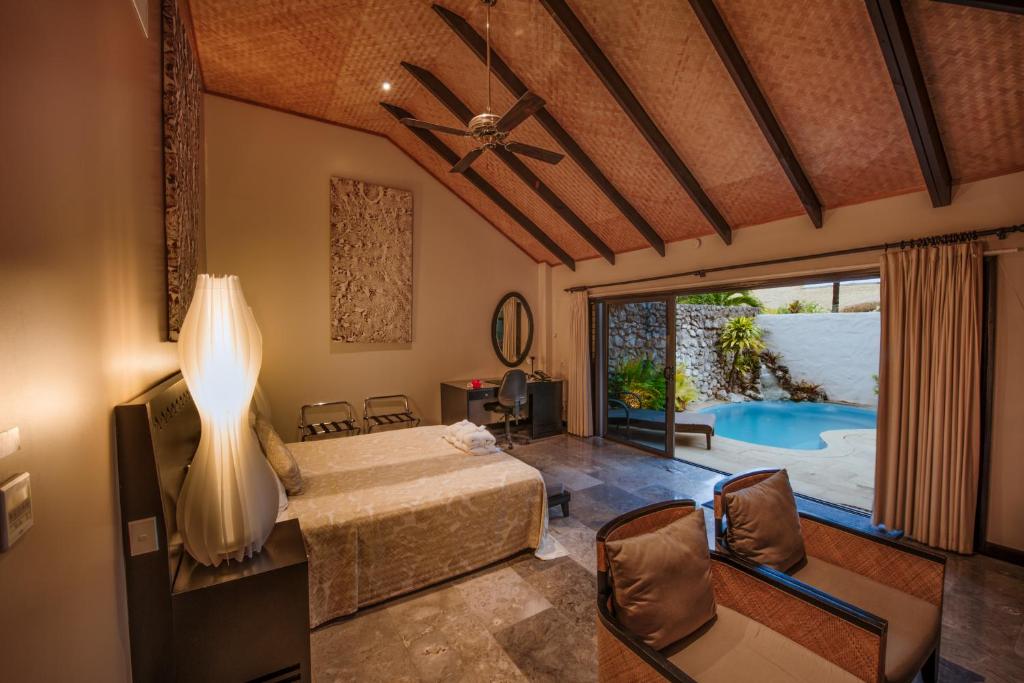
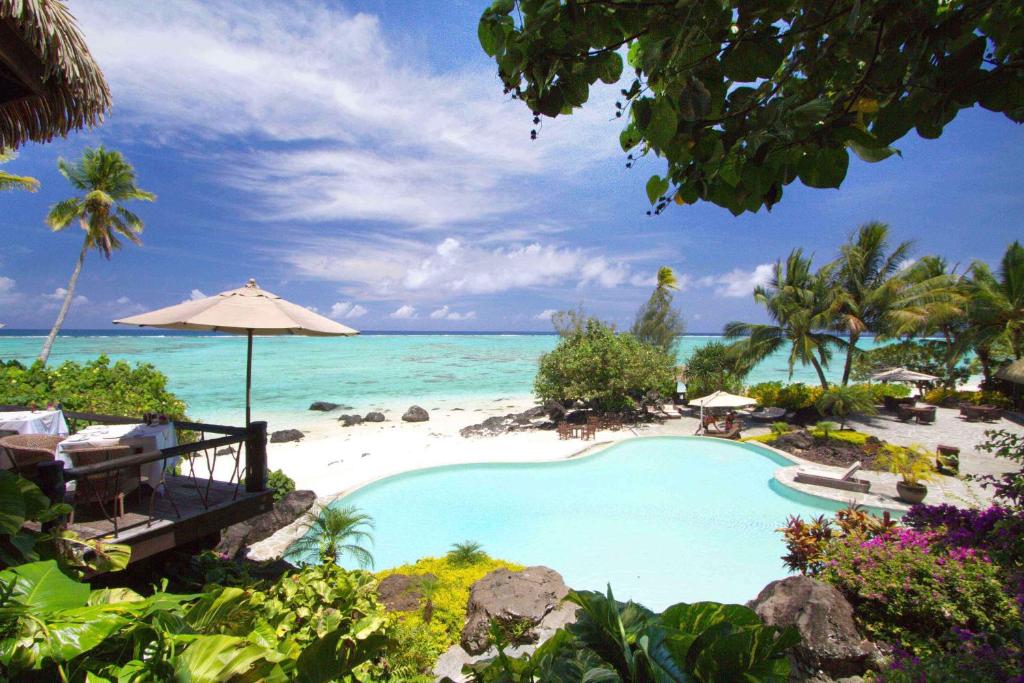
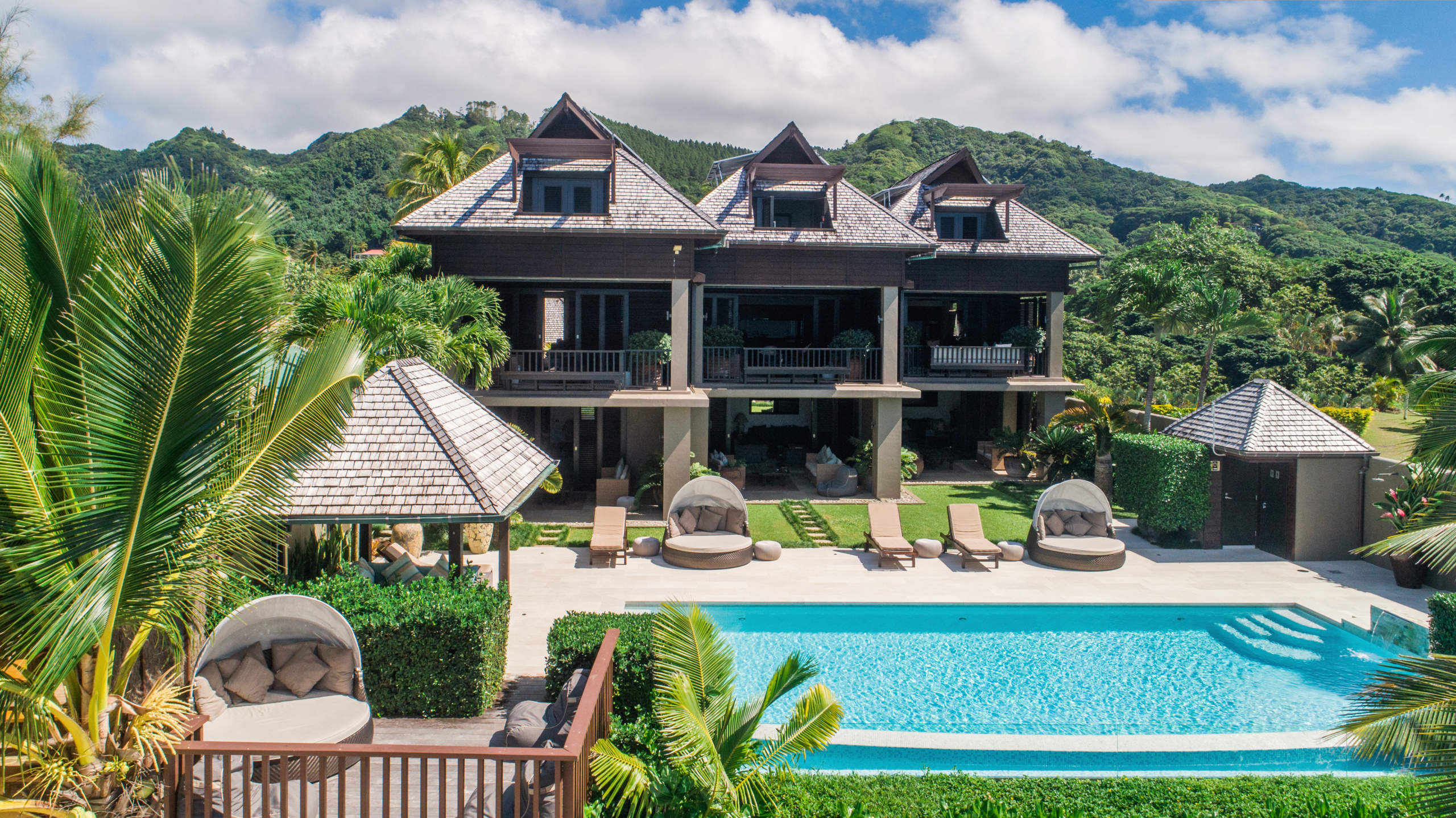

Top Souvenirs
Black pearl pendants, tivaevae quilts, noni soap
Common Phrases
- Hello:Kia orana
- Thank You:Meitaki
- Please:Akameitaki
Quick Tips
- Scooter helmets; reef-safe zinc.
- Vaka schedules—tides rule.
- Ika mata fresh—reef to plate.
Gallery Highlights

Travel Tips & Warnings
Do’s & Don’ts
- Umu earth ovens—share feast
- Don’t touch sacred marae.
- Pare dances—hips tell tales.
Discover the Cook Islands, Your Way
Pristine lagoons, Polynesian culture, and barefoot luxury in the South Pacific.
Rarotonga Island Escape
Discover crystal-clear lagoons, coral reefs, and vibrant island life on Rarotonga.
Explore TripAitutaki Lagoon Paradise
A dreamlike escape to turquoise waters, white sands, and overwater serenity.
Explore TripCook Islands Culture & Nature
Experience traditional Polynesian culture, lush landscapes, and ocean adventures.
Explore TripLuxury Cook Islands Retreat
Stay in exclusive beachfront resorts with private lagoons and world-class service.
Explore Trip